Clarifying, “ecclesia reformata, semper reformanda”
Martin Davie clarifying the often misunderstood post-World War II Latin phrase, “ecclesia reformata, semper reformanda."...
Keep Reading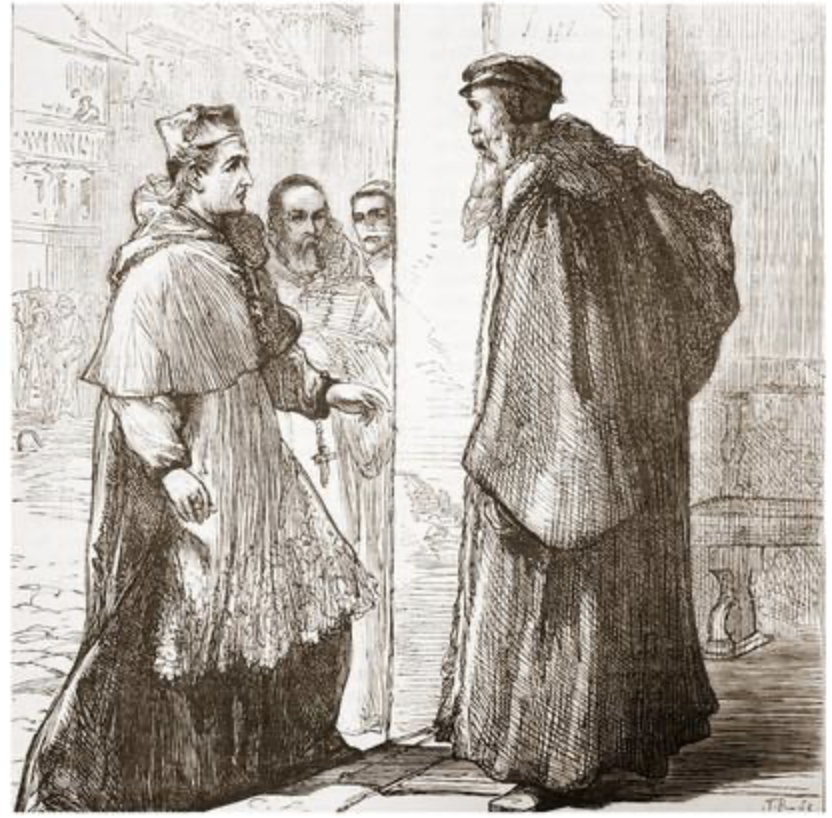
June 12, 2024 by John Fonville
Carl Trueman clarifies a common misconception that is popular among Evangelicals concerning the Protestant Reformation doctrine of sola scriptura....
July 26, 2023 by John Fonville
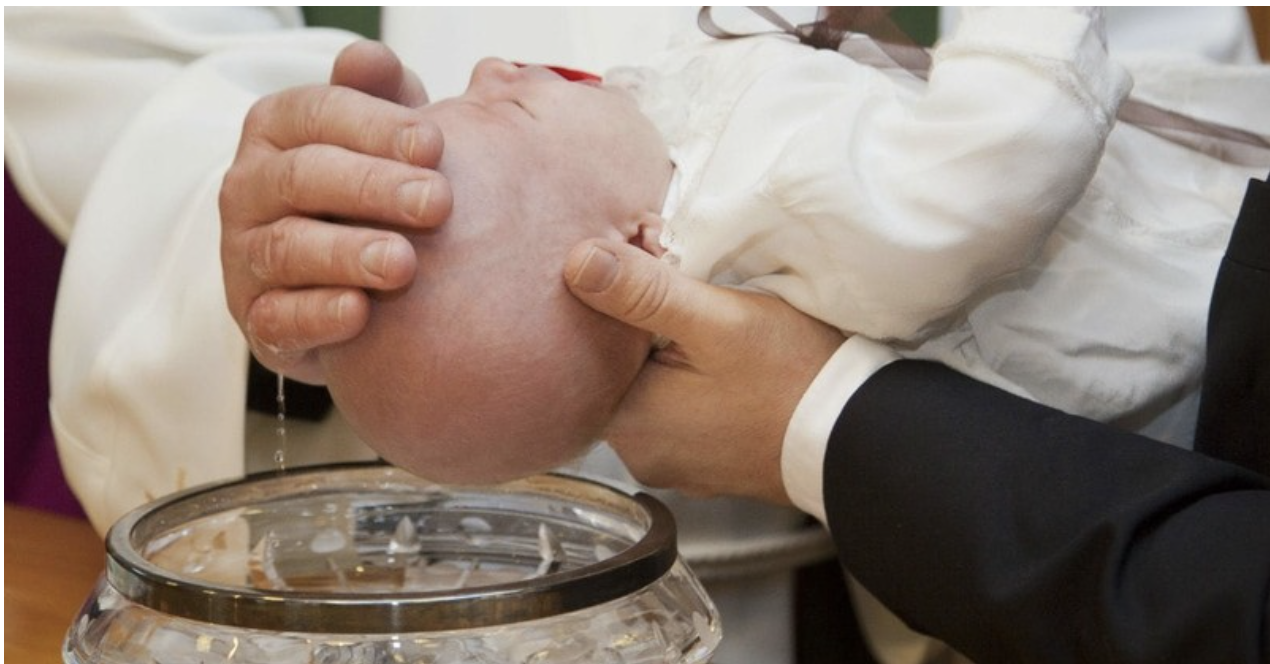
J.C. Ryle answers the common arguments in favor of “Baptismal Regeneration,” which are based on the Baptismal Service of the Prayer-book. ...

July 13, 2023 by John Fonville
J.V. Fesko on the Word of God as the chief means of grace. ...
July 7, 2023 by John Fonville
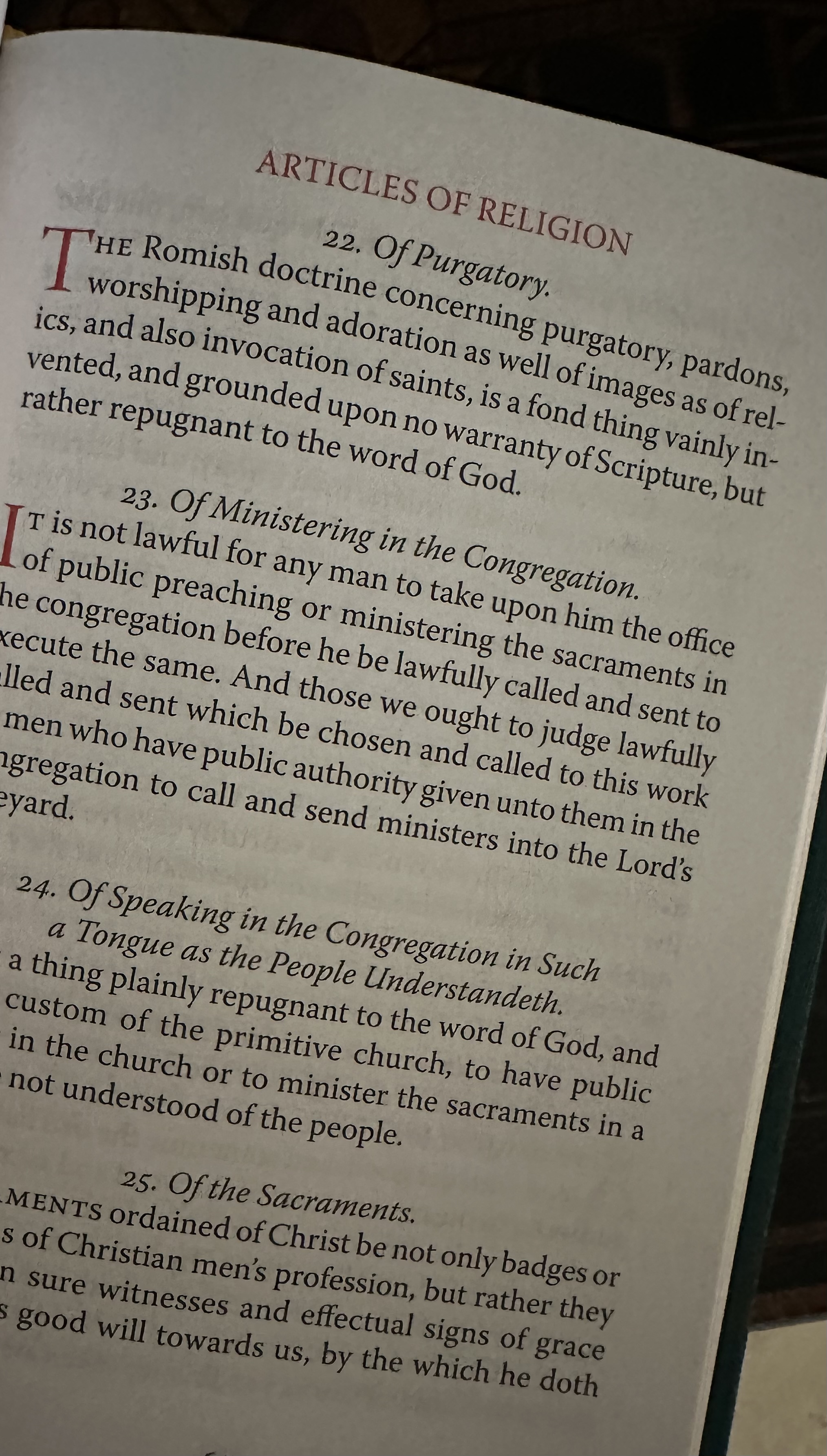
Martin Davie explains from the homily, ‘Of Prayer’ in the Second Book of Homilies, how the English Reformers taught that the only true purgatory is the death of Christ and no other purgation is either necessary or possible....
May 15, 2023 by John Fonville
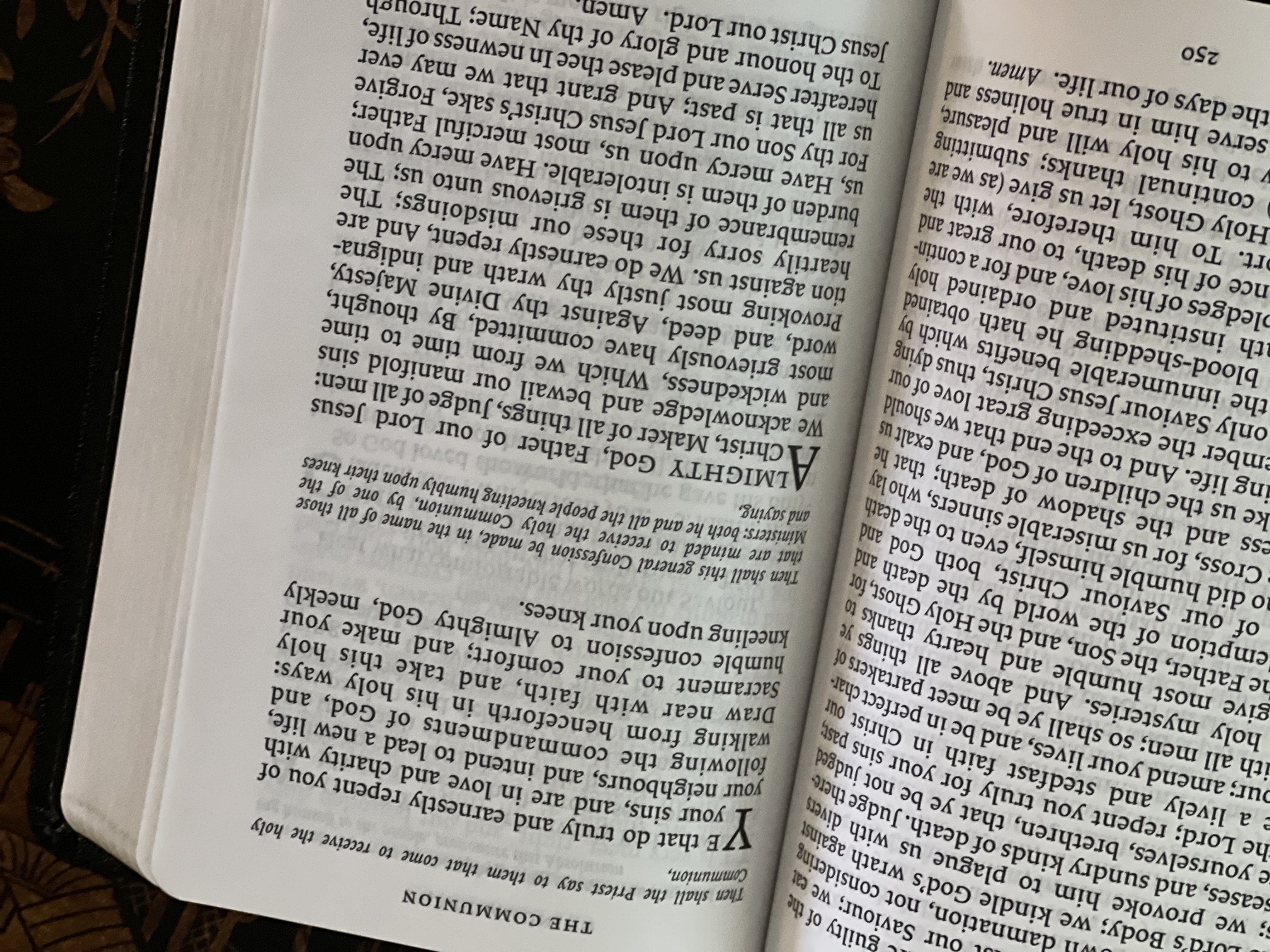
Why Use Written Prayers?- Why does your church use prewritten prayers in your service? Isn't this a dry, rote, unthinking, way for the church to pray and worship? Don't pre-written prayers stifle the Spirit and hinder freedom and promote mechanical, vain repetition? Aren't spontaneous prayers more genuine and heartfelt than prewritten prayers? ...
May 5, 2023 by John Fonville
This writing of Martin Luther is from the introduction to his “Postils” (a group of model sermons which he wrote while at the Wartburg Castle). This brief foreword is full of comfort and good news. In it, Luther sets forth insightful instruction on how to read the Gospels (and the entirety of Scripture- the OT and NT)....
August 25, 2022 by John Fonville
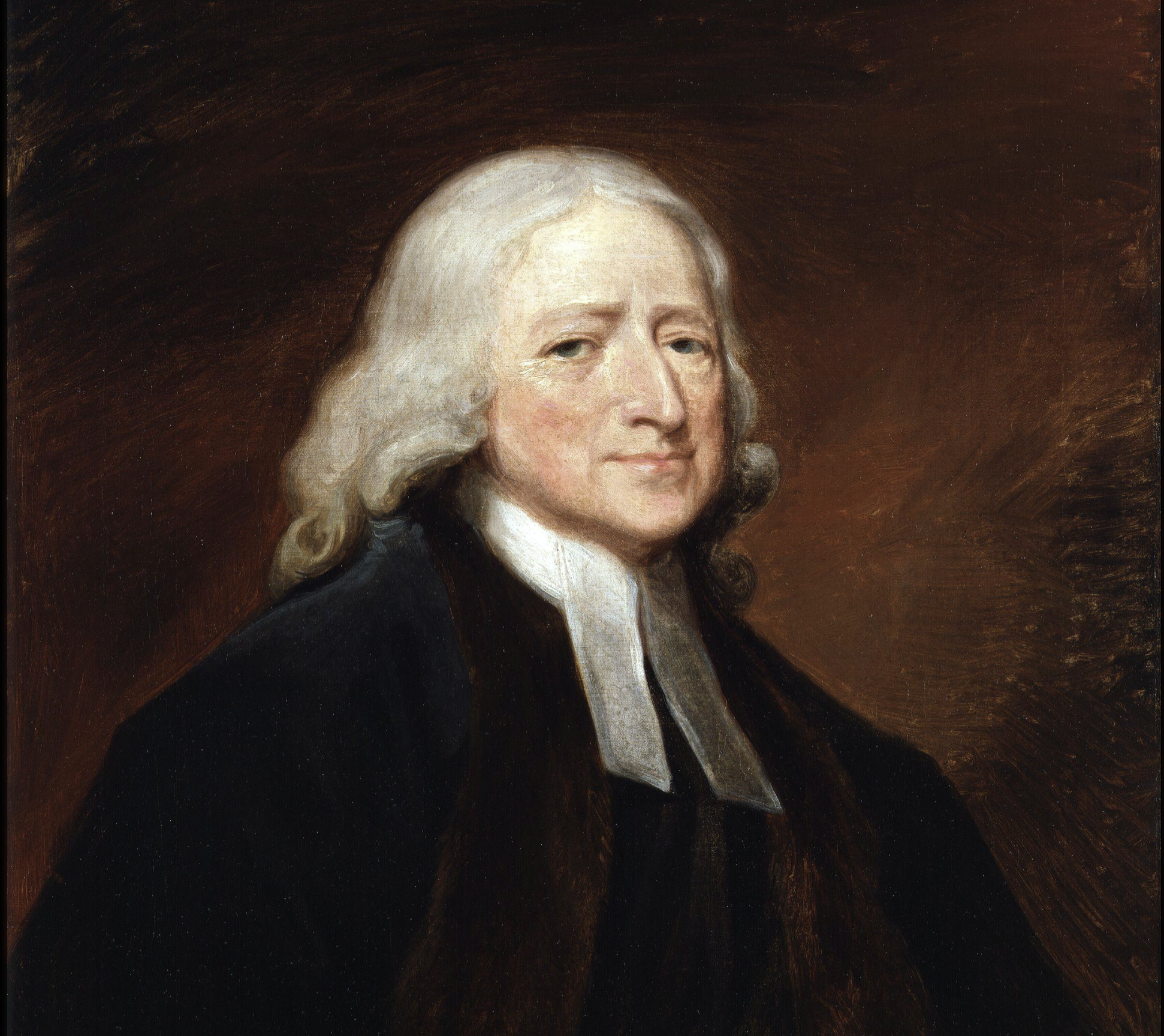
My argument is this: By the year 1700, Protestant Christianity had begun developing significantly new practices and understandings of the Christian faith that focused upon Christian renewal, conversion, new birth and the coming millennial kingdom. These new practices and understandings were a dramatic departure not only from Roman Catholic Christianity, but also from the original Reformation convictions of Martin Luther and John Calvin some one hundred and fifty years earlier. Evangelical Christianity, of the free church variety especially, is the contemporary expression of this third form of Christianity. Probably most Evangelicals are unaware that their Christian experience and piety are far removed from Reformation Protestant beginnings. Evangelicals would do well to recover their lost heritage....
August 20, 2022 by John Fonville
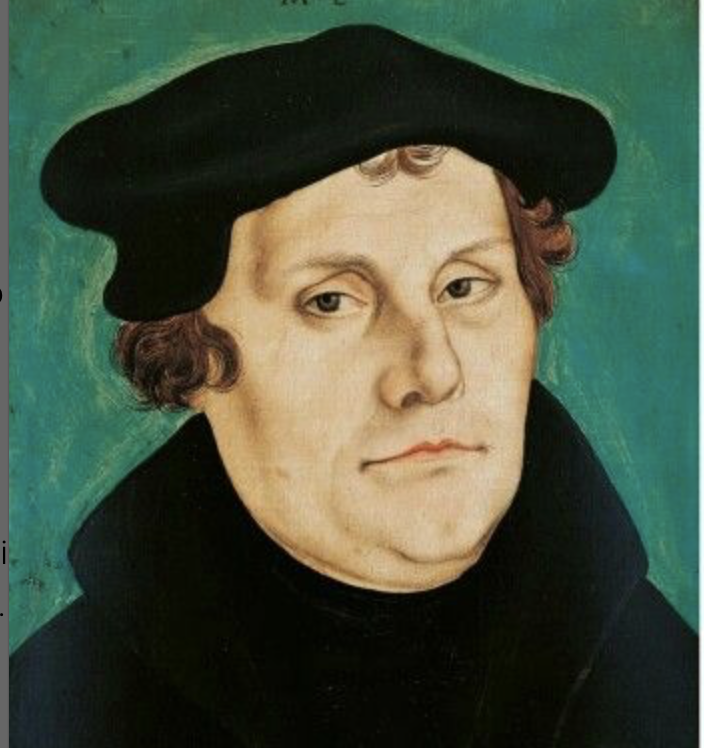
Martin Luther's primary concern when constructing the German mass and order of the liturgy in 1526 was that the gospel be proclaimed for the people in their context....
July 28, 2022 by John Fonville
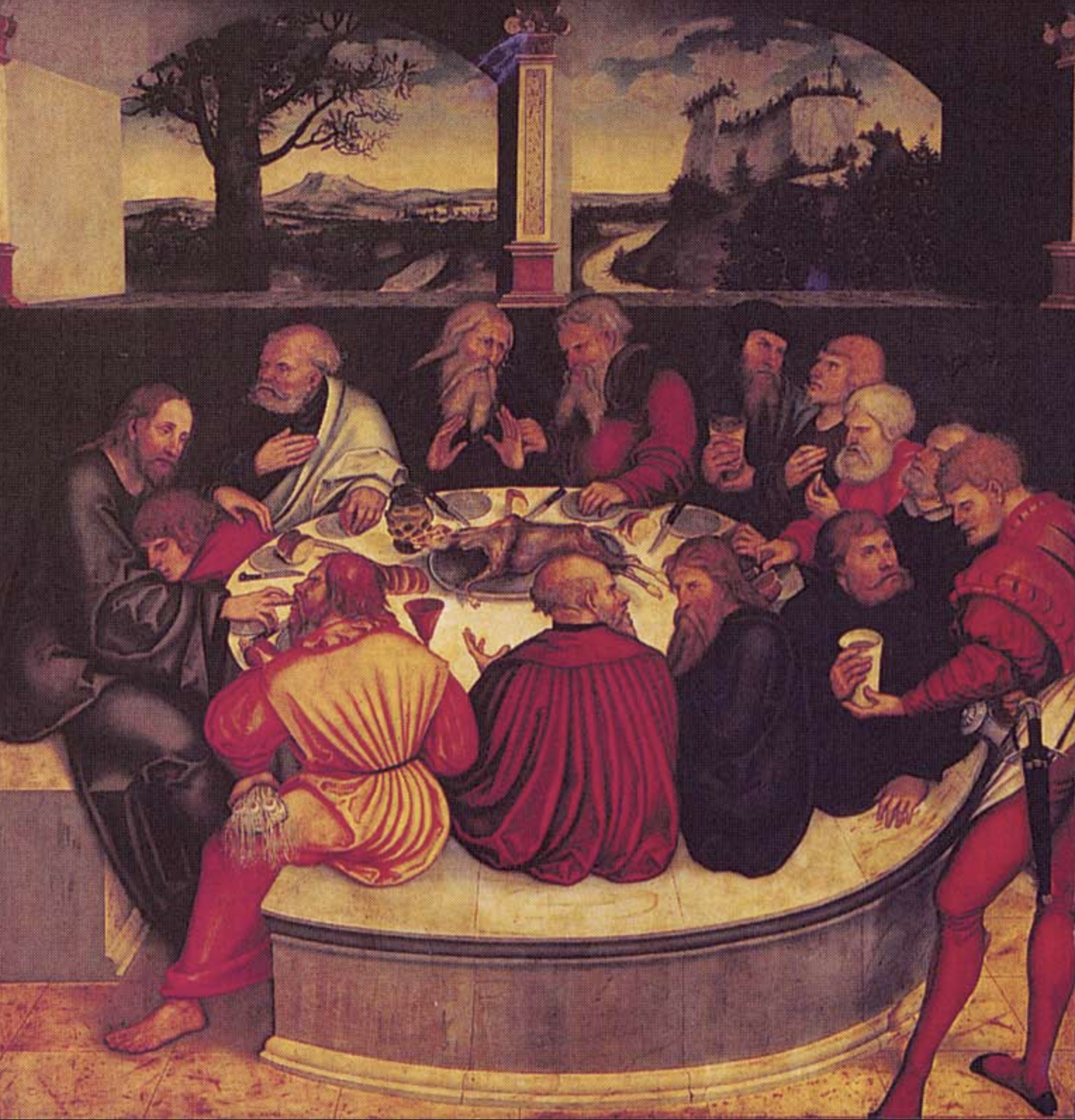
Martin Luther on the worthy reception of the Lord's Supper....
July 27, 2022 by John Fonville
Infant baptism sets Christian discipleship from birth within a covenant context, which means means to understand discipleship as something connected to the ordinary means of God’s grace and the routine work of the church....
October 31, 2019 by John Fonville
Martin Davie clarifying the often misunderstood post-World War II Latin phrase, “ecclesia reformata, semper reformanda."...
Keep ReadingOctober 31, 2019 by John Fonville
There is no such thing as a “non-liturgical church.” The choice is not between liturgy or no liturgy, but between having an agreed-upon, well-thought-out liturgy or leaving things to the spur of the moment and the discretion of the leader. As one wag has rightly observed, if you think “organized religion” is bad, try disorganized religion....
Keep ReadingOctober 31, 2019 by John Fonville
The Protestant Reformation was waged on two fronts: the errors of Rome and the errors of the radical Reformation (i.e., so-called Anabaptists)....
Keep ReadingOctober 30, 2019 by John Fonville
The Double-Edged Nature of God's Revelation- The sacraments are means of grace. However, because they are linked to the covenant and more broadly to divine revelation, they are not always means of grace but sometimes means of judgment apart from a Spirit-wrought faith....
Keep ReadingOctober 29, 2019 by John Fonville
John Calvin: Christ has Redeemed us through His Obedience, which He practiced throughout His Life (Institutes of the Christian Religion, 2.16.5)...
Keep Reading